
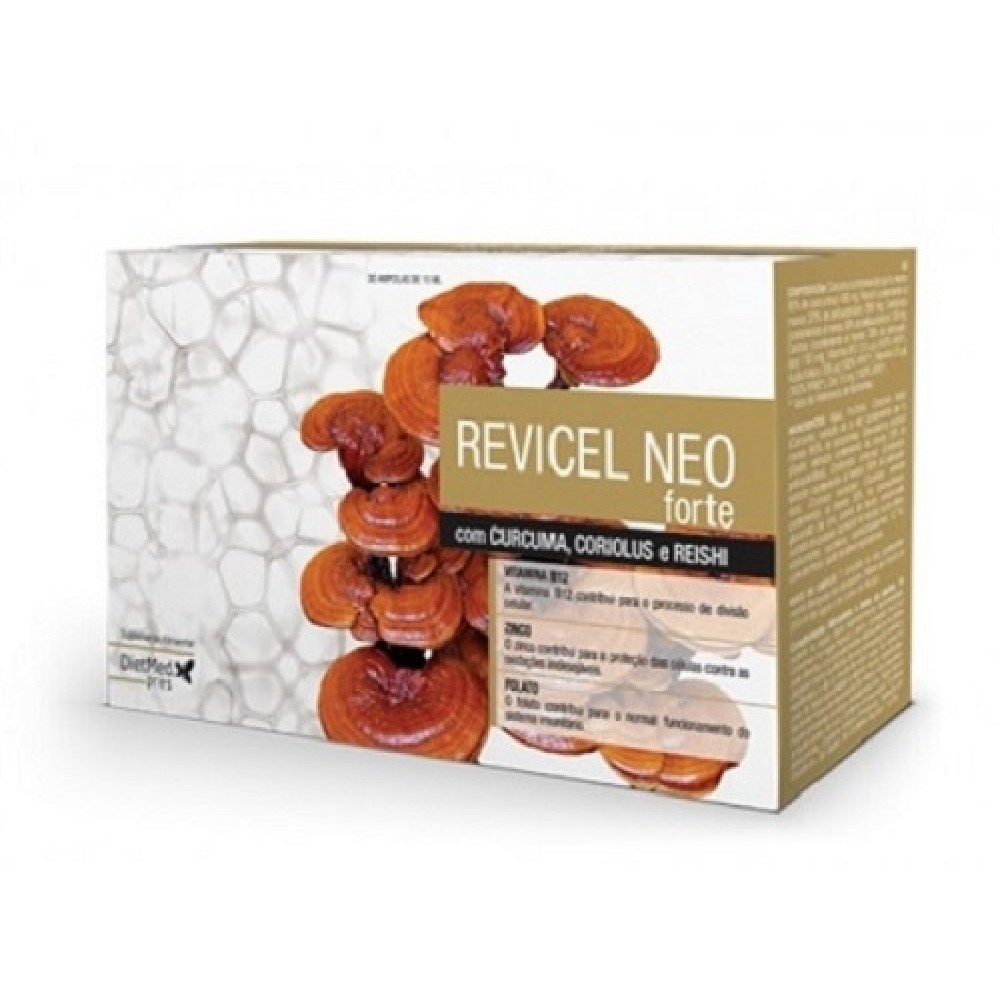
For the maintenance of biological homeostasis
In the last 50 years, there have been great developments in understanding cancer at a molecular level. Several growth factors, hormones, cytokines, oncogenes, viruses, bacteria, and carcinogens that initiate and promote cancer have been identified. Many of the subcellular mechanisms that promote hyperproliferation, invasion, angiogenesis, and metastases have also been identified. The structure of the human genome consists of almost 25 thousand genes, and it is within some of these genes that carcinogenesis is mediated. The gain or loss of specific chromosomes by the cell, aneuploidy, is a common characteristic of most tumours. It is now known that all cancers are caused by genetic alterations in DNA. These alterations, including deletions, inversions, amplifications and chromosomal translocations, can occur in proto-oncogenes, tumour suppressor genes, and DNA repair genes.
TURMERIC (Curcuma longa)
It has antioxidant, hepatoprotective, anti-inflammatory, anticarcinogenic, and antimicrobial properties. In recent decades, there has been a growing interest in curcumin and its derivatives for the treatment or prevention of cancer. Trials have shown that curcumin has the ability to inhibit carcinogenesis in 3 phases: in tumour promotion, in angiogenesis, and in tumour growth.
Curcumin has a wide variety of molecular targets, supporting the concept that it acts on various biochemical and molecular cascades.
REISHI (Ganoderma lucidum)
It is a mushroom with a long history of traditional use in cancer treatment and is associated with many cases of spontaneous remission. In addition to the immunomodulatory effects of its polysaccharide content, triterpenes show significant cytotoxic activity against different cancer cell lines.
This mushroom contains a wide variety of bioactive molecules, including phenols, sterols, amino acids, lignans, mycins, vitamins, nucleosides, and nucleotides, but it is polysaccharides and triterpenes that are the two main groups of components.
CORDYCEPS (Cordyceps sinensis)
It is a mushroom that has been used as a supplement in ageing and in the recovery from prolonged illnesses. Studies conducted with this fungus show significant increases in oxygen uptake, aerobic capacity, and fatigue resistance, especially in the recovery of patients after chemotherapy treatment. Evidence suggests that Cordyceps plays a role in inducing apoptosis by regulating the expression of various proteins.
CORIOLUS (Coriolus versicolor)
It is one of the most well-studied medicinal fungi with well-founded trials justifying its application in a wide variety of cancers, including gastric, oesophageal, lung, breast, and cholesterol, with very interesting results.
Coriolus has been shown to increase the production of immune cells and improve the side effects associated with chemotherapy and radiotherapy treatments.
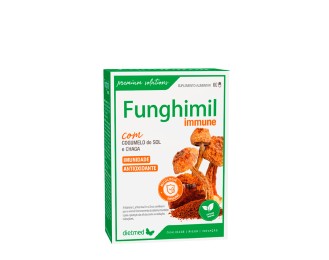
Composition per ampoule:
Turmeric (containing at least 95% curcumin) - 400 mg
Reishi (containing at least 20% polysaccharides) - 200 mg
Cordyceps (containing at least 30% polysaccharides) - 130 mg
Vitamin B12 - 2.5 µg
Folic Acid - 200 µg
Vitamin D - 5 µg
Zinc - 10 mg
Dosage and Administration: Take 1 ampoule per day, preferably after breakfast. It should be diluted in at least 200 ml of water.
Presentation: Box containing 30 ampoules
$21.35 Ex Tax: $21.35
$27.56 Ex Tax: $27.56
$30.30 Ex Tax: $30.30
$30.32 Ex Tax: $30.32